Dentistry is part science, part craftsmanship, and part artistry. And only when clinicians have skills in all three areas will they produce excellent results and outcomes for their patients. The science and craftsmanship of dentistry are covered extensively in dental school, but the artistry part doesn’t get as much attention. Dr Hanan Elgendy is trying to change that; she teaches her students how to draw the teeth to increase their artistic skill.
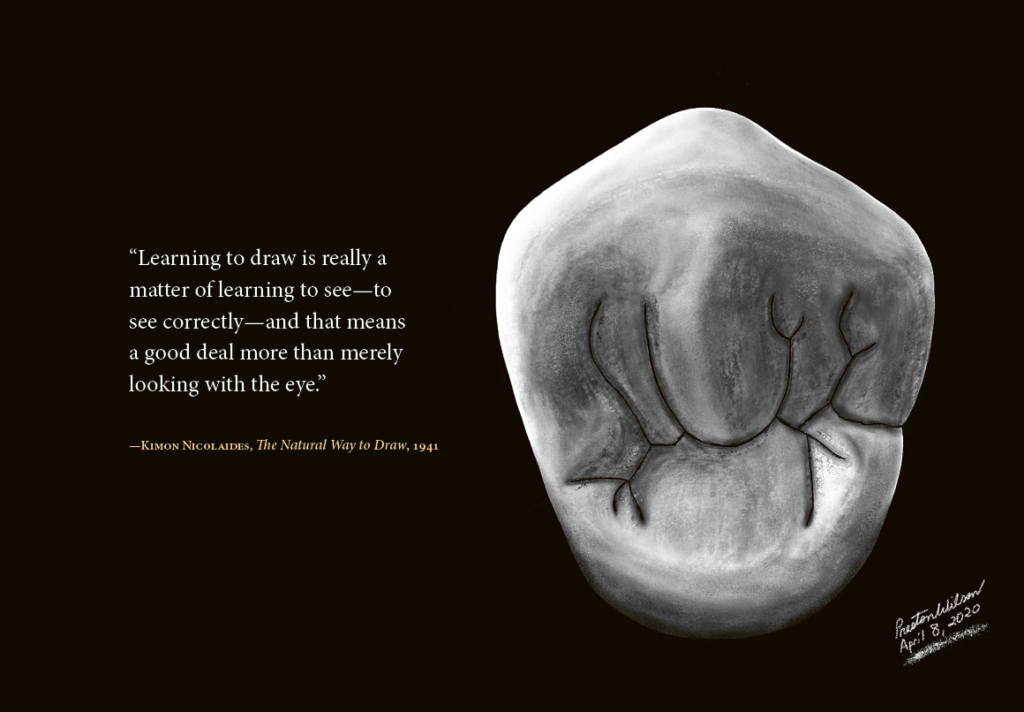
In her new book, she explains that “drawing is a skill that can be learned by nearly every person with normal eyesight and average eye-hand coordination.” If you can thread a needle or catch a baseball, you can learn how to draw. She expounds that “learning to draw is more than learning the skill itself; by learning the steps, you will learn how to see…how to put down on paper what you see in front of your eyes,” thereby enhancing your ability to see the fine details in your wax-ups of teeth.
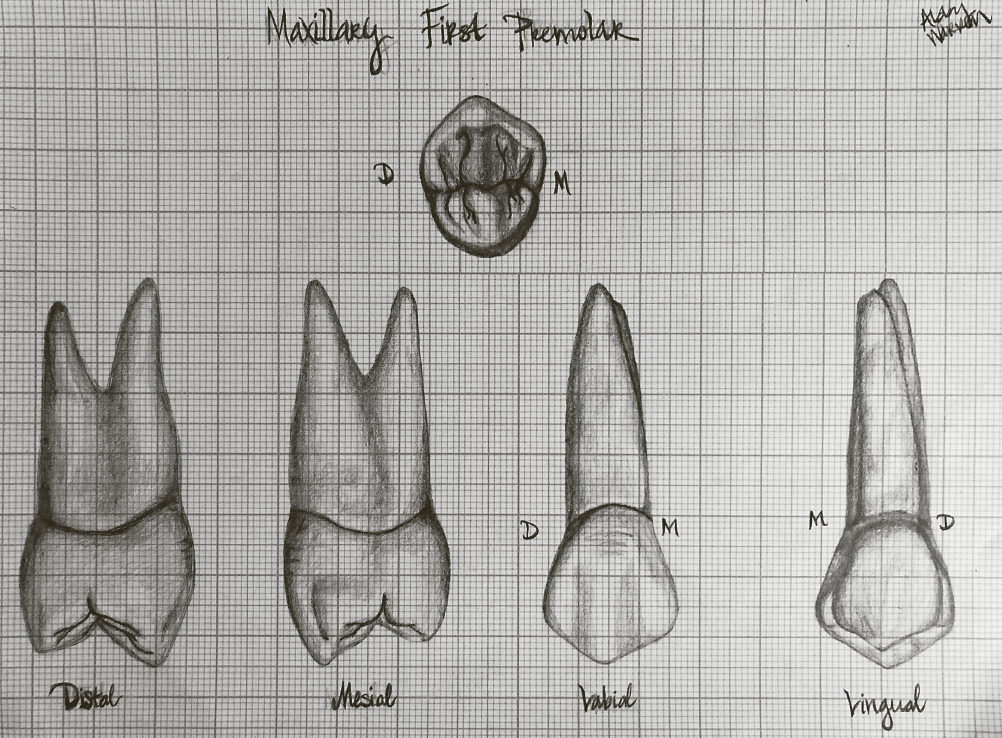
Her method relies on using graph paper and tooth measurements to accurately record the outlines of the five aspects of every tooth—mesial, distal, facial/buccal, lingual, and incisal/occlusal. She writes that “Close observation of the outlines of the squared backgrounds shows the relationship of crown to root, extent of curvatures at various points, inclination of roots, relative widths of occlusal surfaces, height of marginal ridges, contact areas, and so forth.”
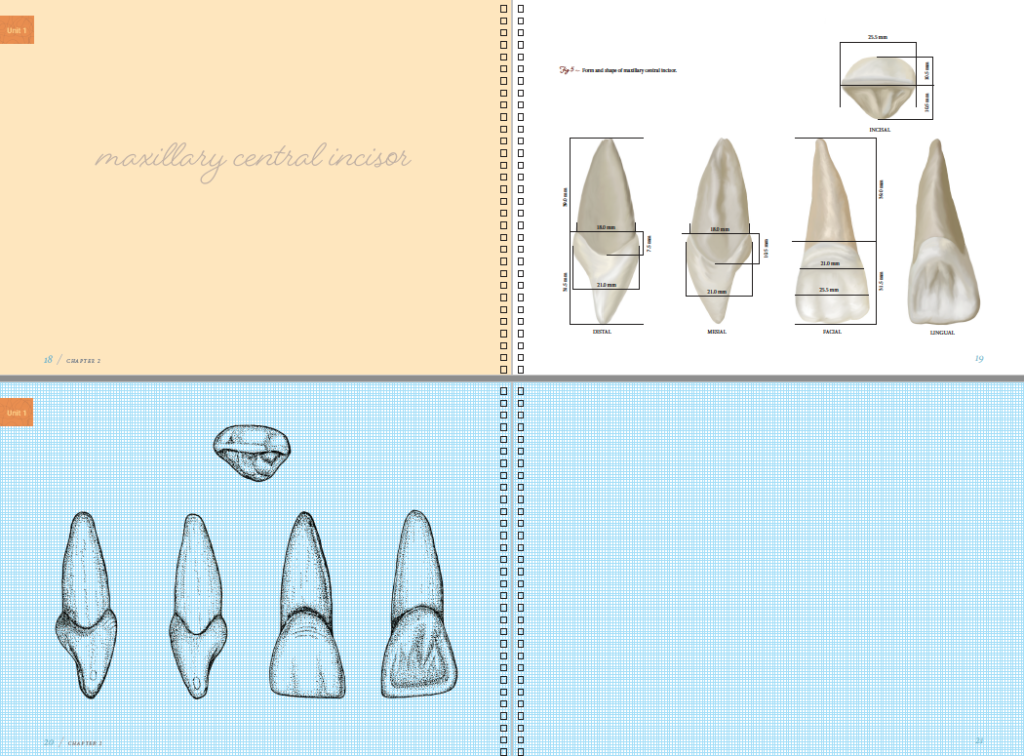
She begins by listing all the measurements of each tooth, including their crown length, root length, mesiodistal and buccolingual diameters of the crown and at the cervix of the crown, and the curvature of the cervical line (mesial and distal). With graph paper, these measurements can be used to draw any tooth in the mouth, and each tooth is given its own unit to show how this is done, followed by a blank page of graph paper to try it out.
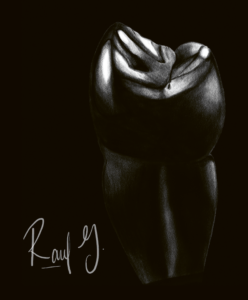 Dr Elgendy knows that drawing is a learnable, teachable skill, because she’s seen the results firsthand. Her students walk into her class with rudimentary skills and leave with the ability to draw this. In fact, nearly all of the book’s illustrations come from her students. And that’s why she is committed to teaching as many dentists as she can how to draw. Because drawing trains the eyes to see the teeth and therefore teaches you how to capture their details first on paper and then in your restorative work. Ask any master like Pascal Magne, and they will tell you that the artistry matters just as much as the materials you use. If you want to improve your artistic eye or if you simply enjoy drawing and want to take that interest to the next level, this book is perfect for you. Preview How to Draw Teeth and Why It Matters here.
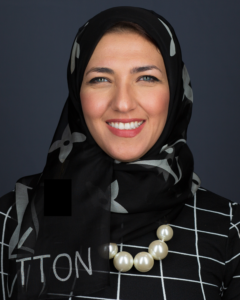 Hanan Elgendy, BDS, MS, is Clinical Assistant Professor in the Department of General Dentistry, Operative Dentistry Division at East Carolina University (ECU) School of Dental Medicine in Greenville, North Carolina, where she is the director of the Dental Anatomy, Dental Photography, and Advanced Esthetic Operative courses. Dr Elgendy earned her BDS from Ain Shams University in Egypt and was in private practice for 5 years before moving to the United States in 2012. She completed a master’s degree in operative dentistry at the University of Iowa College of Dentistry in 2016 and was a clinical assistant professor in the Department of Operative Dentistry there until joining ECU in 2019. Her major interest is enhancing student learning in dental anatomy, dental photography, CAD/CAM, and cosmetic dentistry. Dr Elgendy has dedicated her career to teaching restorative dentistry, and she takes pride in knowing how much her students love learning how to draw teeth.
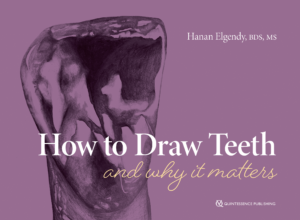 How to Draw Teeth and Why It Matters
Hanan Elgendy
Understanding tooth morphology and anatomical form is crucial to being a good dentist to ensure both function and esthetics. Dr Elgendy contends that the ability to draw an accurate outline of a tooth is a good indication that a student has clearly seen and understood its external morphology. After all, learning to draw the fine details of the tooth is really learning to see them in the first place. That’s why she created this book to guide dental students to seeing and reproducing tooth morphology. The workbook begins with the basics of drawing and quickly shifts to the details of each tooth and how to tackle its morphology. Practice pages are included for each tooth, with extra pages at the end for further practice. Part art book and part workbook, this beauty will inspire students and dentists alike to see better and capture what they see in their restorations.
120 pp (spiral bound); 160 illus; ©2022; ISBN 978-1-64724-0-48 (B0448); US $48


 Kevin D. Huff, DDS, is a practicing general dentist and orofacial pain specialist. He earned his dental degree from The Ohio State University, where he also pursued advanced training in removable prosthodontics. Dr Huff is a Diplomate of the American Board of Orofacial Pain and has earned the status of Fellow and Master in the Academy of General Dentistry (AGD). He has served on the faculty at Case Western Reserve University School of Dental Medicine, Mercy Hospital General Practice Residency, and Spear Education, where he is currently a visiting faculty member. Dr Huff has published many articles, is a Fellow of the American College of Dentists and the International College of Dentists, and has been awarded the Lifetime Learning and Service Recognition Award from the AGD. Dr Huff is also an active member of the American Dental Association and the American Academy of Orofacial Pain, and he has been practicing dentistry in rural Ohio for 25 years.
 Douglas G. Benting, DDS, MS, has served as adjunct associate professor in the Department of Restorative Sciences at the University of Minnesota and adjunct professor in the Department of Prosthodontics at the Arizona School of Dentistry and Oral Health, and he is currently a resident faculty member with Spear Education. He earned both his degrees from the University of Minnesota, and he has authored multiple articles for the Journal of Prosthodontics. He is a Fellow of the American College of Prosthodontists and Diplomate of the American Board of Prosthodontics. Dr Benting maintains a private practice in Phoenix, Arizona.


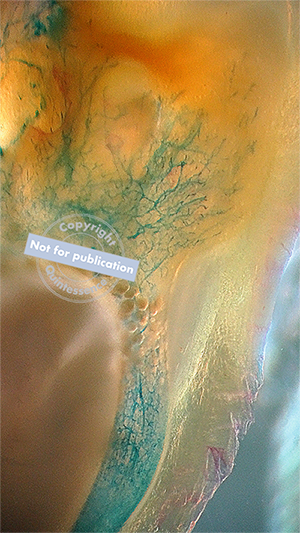
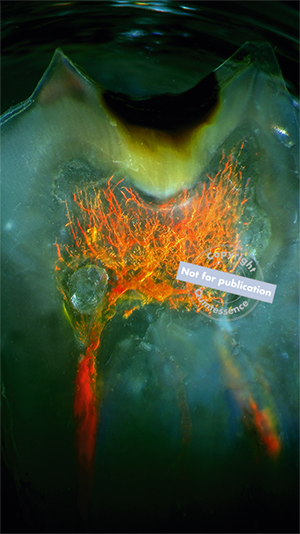
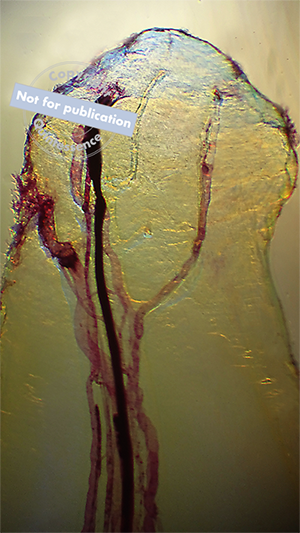
 Craig Barrington, DDS, graduated summa cum laude in 1996 from the School of Dentistry at the University of Texas Health Science Center at San Antonio. Microscopes and histology have always been an interest of his, but the first time he looked at a transparent human tooth, he knew that this would be a lifelong focus of his research. To this end, Dr Barrington has made it his mission to understand every diaphanization method that he has come across. He has learned how, where, and why transparency can occur in a solid object. Dr Barrington holds a patent in histology and multiple copyrights. He maintains a private practice in Waxahachie, Texas.